Shining a Light in the Darkest Times
By Meghan Gaffney Wells, Director of Communications
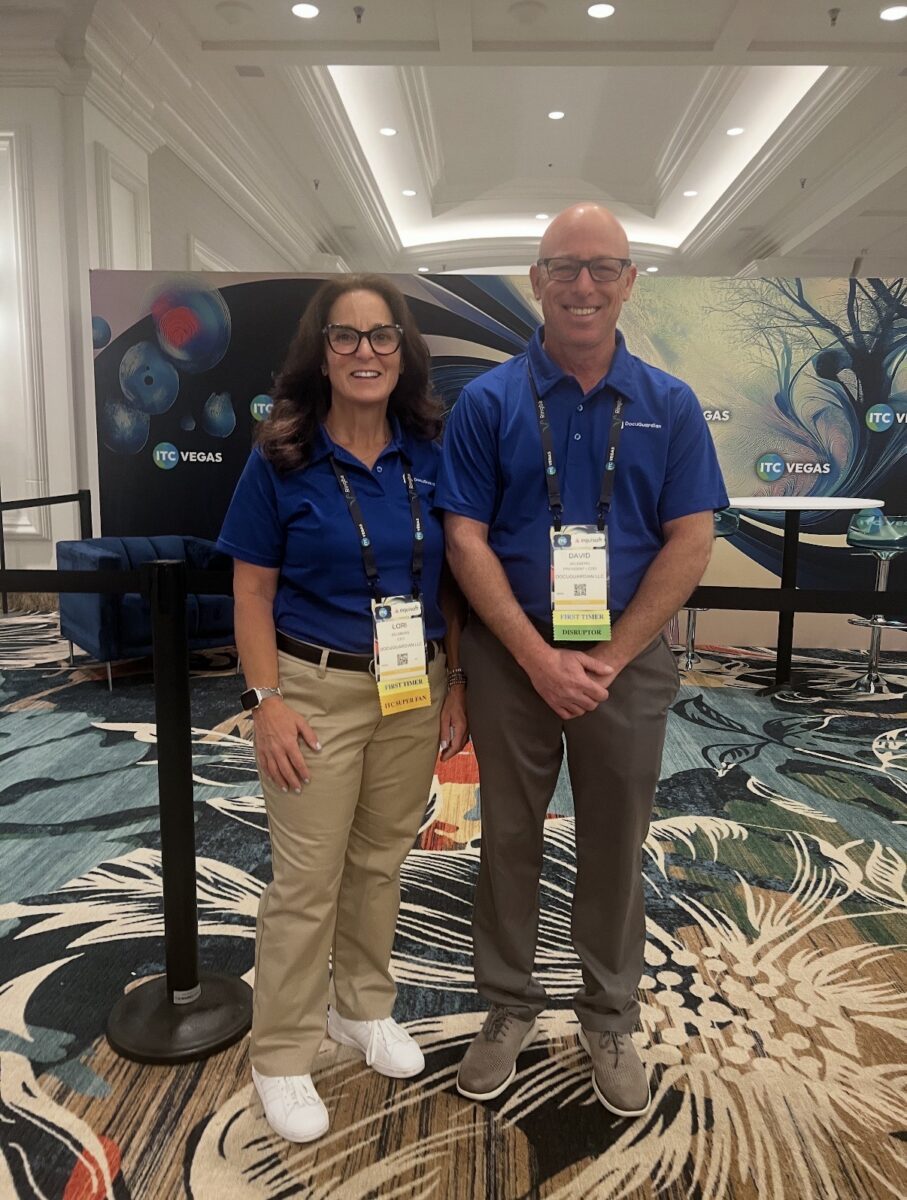
While studying abroad in Italy as a collegian, Lori Selsberg (Beta Xi–Union) experienced a near-death moment that resulted in a type 1 diabetes diagnosis and a lasting awareness of life’s fragility. A lawyer by trade, Lori spent years in large organizations before a shared COVID diagnosis with her husband sparked the creation of a mission driven tool. Their platform, DocuGuardian, is designed to bring clarity, security, and peace of mind to end-of-life planning.
Q: What is DocuGuardian?
It’s a secure, intuitive platform designed to help individuals and families organize, protect, and share critical life information proactively. Everything is in one place, protected, and accessible when it matters most.
We call it peace of mind squared. When you get your end-of-life plans organized, you live with peace of mind now, knowing your family will have peace of mind later. They can grieve, tell stories, and remember you, without scrambling to find an insurance policy.
Q: DocuGuardian was born from a deeply personal moment. What sparked the idea?
Eighteen years ago, my mother was hospitalized. She had a DNR, but because we couldn’t access it, she was intubated against her documented wishes and spent the last two weeks of her life that way.
Then during COVID, my husband and I both got sick. I have type 1 diabetes, and at the time there were headlines suggesting I might not receive care. It was terrifying. We sat our daughters down and created a makeshift system on Google Drive. We labeled folders as recipes to disguise legal and financial documents.
That’s when we realized there had to be a better way. The data was staggering: billions in unclaimed life insurance and retirement funds, and more than half of adult children don’t know where their parents’ documents are. Add climate disasters and sudden emergencies, and it’s clear that people need access anytime, anywhere.
Q: Why do you think this is so hard for people to talk about?
This is the roadblock, because most successful businesses identify and fill an unmet need. With DocuGuardian, people don’t necessarily think about this as an unmet need, but only 9% of people have their lives together in planning for death. If you have a family, anybody, or an asset, anything, you should have this.
The topic is uncomfortable, but avoiding it doesn’t stop reality. Talking about it today doesn’t mean it will happen tomorrow. Having the conversation is transformative. If it’s hard for you to organize things now, imagine how hard it is for loved ones while they’re grieving.
Q: How does DocuGuardian guide people through that process?
We built it on four principles: security, security, security, and ease of use. Our core customer is 55+, so simplicity matters. Everyone gets eight standard vaults: legal, financial, insurance, property, photos, videos, and more. Each vault contains a list of document types and explains why they matter, how they help loved ones, and what information is needed. It meets people where they are.
Q: What features were non-negotiable from day one?
Security: SOC 2 compliance, 24/7 monitoring, full encryption. And the designee feature, which identifies one trusted person who can access information when needed. Choosing someone isn’t morbid; it’s responsible.
There is also a share now and share later option. If you have the highest level of trust in someone, you can share things now. If you don’t share now, that trusted person inherits everything after you pass away. The designee agrees to the responsibility as an extra layer of protection.
We also allow a proxy if someone needs help. That’s it. Security is the promise.
Q: Why was legacy—stories, videos, memories—so important to include?
I’ve lost an entire generation before turning 50. Legacy isn’t just paperwork; it’s memories. The pet instructions, videos, and photos matter. That’s what people hold onto.
I wanted videos because who doesn’t love their pictures and videos? People think about the official documents, but this is also the legacy for the people who know and love you.
Q: Any final thoughts?
I like to say, you don’t need to do it all at once. Most of my career, I did big transformational projects and programs and you have to cut it into small tasks, because you can’t climb the whole mountain in one day. It’s one step at a time, so do what you can, but make sure you do it. It’s the gift you leave behind.